Step into the aquarium through restored Victorian architecture from 1872, where brickwork frames tanks of rays, sharks, and fish. This grand hall offers an immediate glimpse into the underwater world.
Quick Information
RECOMMENDED DURATION
3 hours
Timings
10:00–15:00
VISITORS PER YEAR
80000
TICKETS
From $21.17
EXPECTED WAIT TIME - STANDARD
30-60 mins (Peak), 0-30 mins (Off Peak)
Did you know?
SEA LIFE Brighton opened in 1872, making it the world’s oldest continuously operating aquarium.
The aquarium’s grand Victorian arcade is a Grade II listed building, preserving its original 19th-century charm.
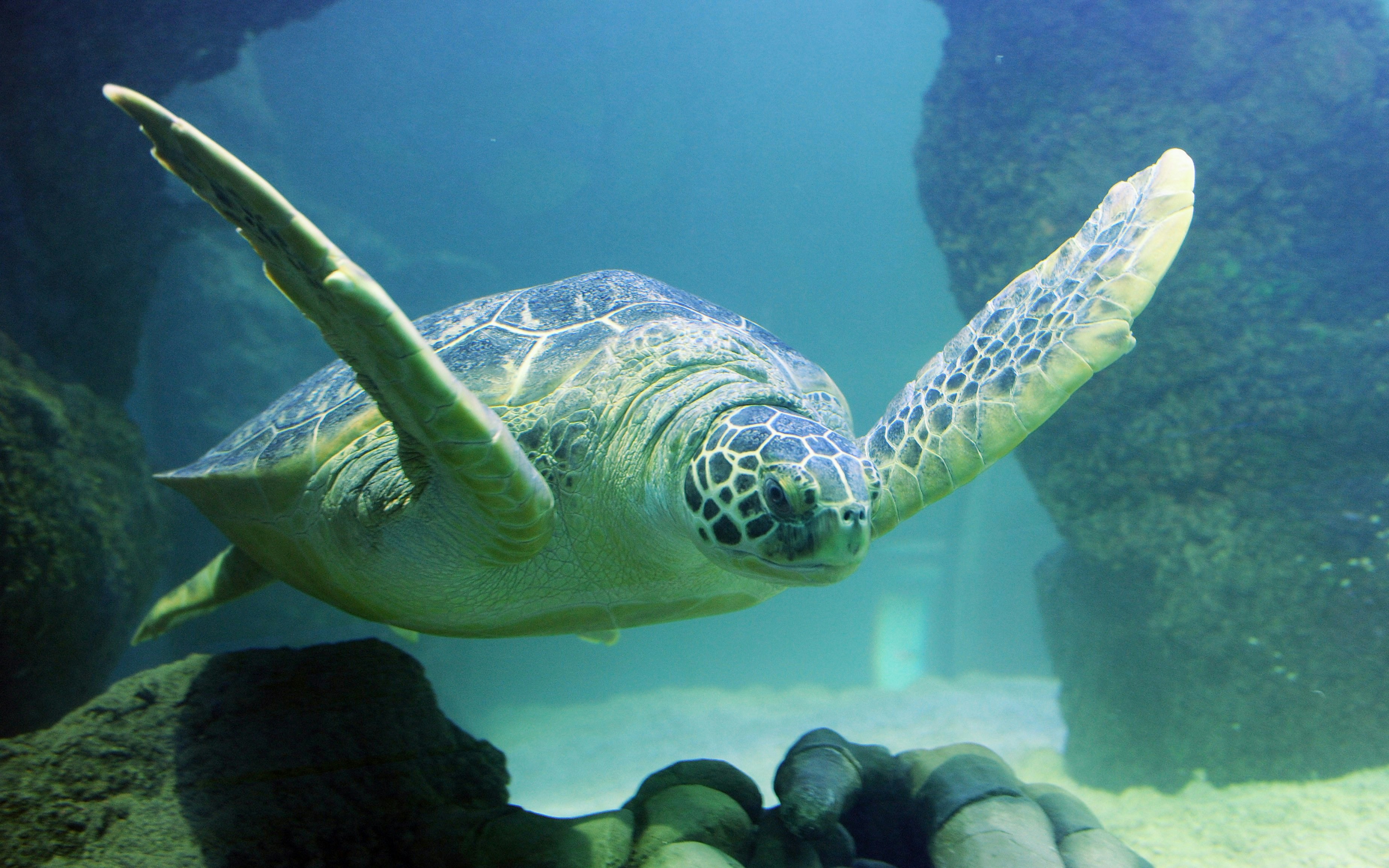
Its Ocean Tunnel allows visitors to walk beneath sharks and turtles in a 360° underwater experience.
Why is SEA LIFE Brighton a must-visit attraction?
Nestled on Brighton’s famous seafront, SEA LIFE Brighton is more than just an aquarium; it is a journey into the heart of the ocean. As the oldest operating aquarium in the world, it offers a unique blend of history, conservation, and immersive marine experiences that captivate visitors of all ages. Walking through the glass underwater tunnel, you’ll find sharks, giant rays, and turtles gliding overhead, creating a 360-degree underwater spectacle that feels almost magical.
What makes a visit here truly special is that every corner of the aquarium brings you closer to the wonders of the sea. With interactive and immersive exhibits all around, you can touch gentle rays in the pools or watch rescued green sea turtles being fed while learning about their incredible stories of rehabilitation, making it the perfect place for both awe and learning.
What to see at SEA LIFE Brighton
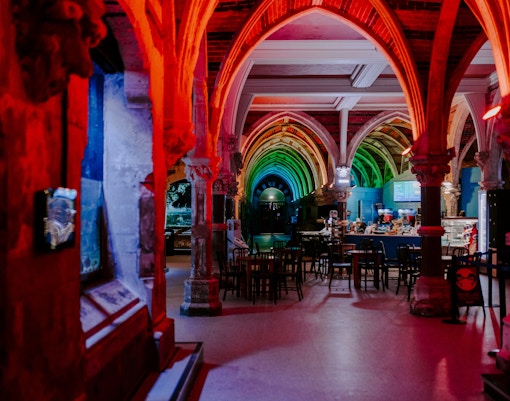
Victorian Arcade

Day & Night Ocean Experience
Experience a UK-first coral reef display that shifts from bright daylight to a glowing night setting. The vast ocean tank is home to tropical fish, sharks, and turtles, with an underwater tunnel that fully immerses you in the scene.
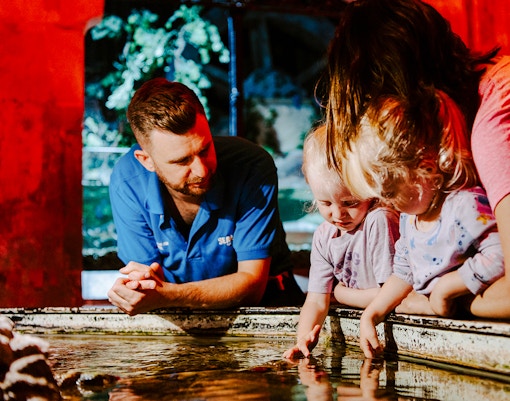
Interactive Rockpool
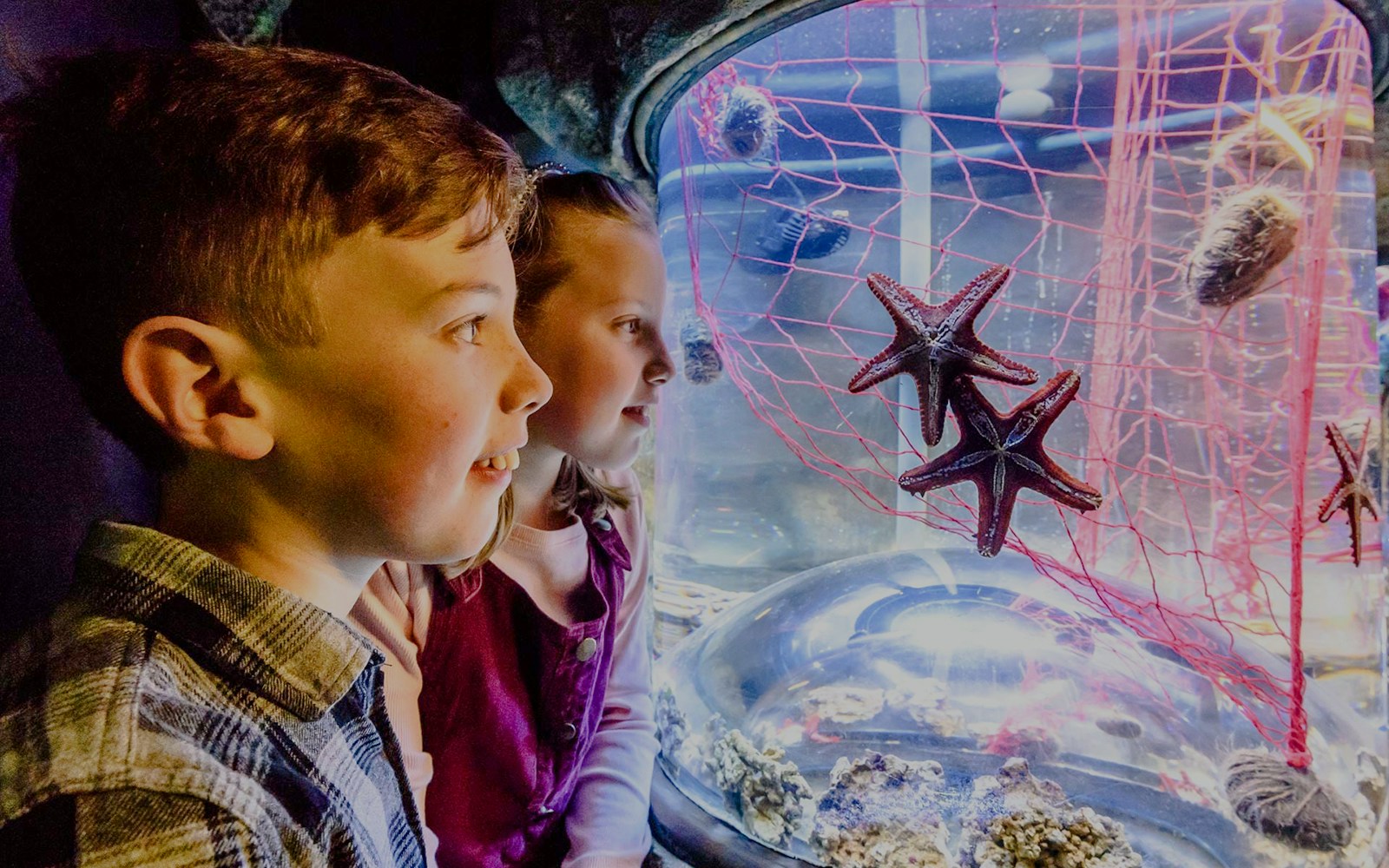
Get hands-on with native sea life in the interactive rockpool, where you can touch and feel creatures like rays and learn about tidepool habitats up close for a truly immersive experience.
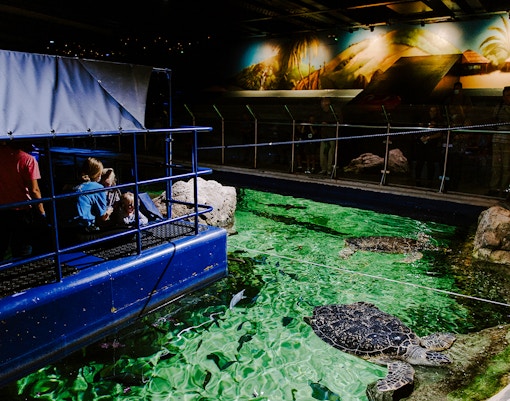
Rainforest Adventure
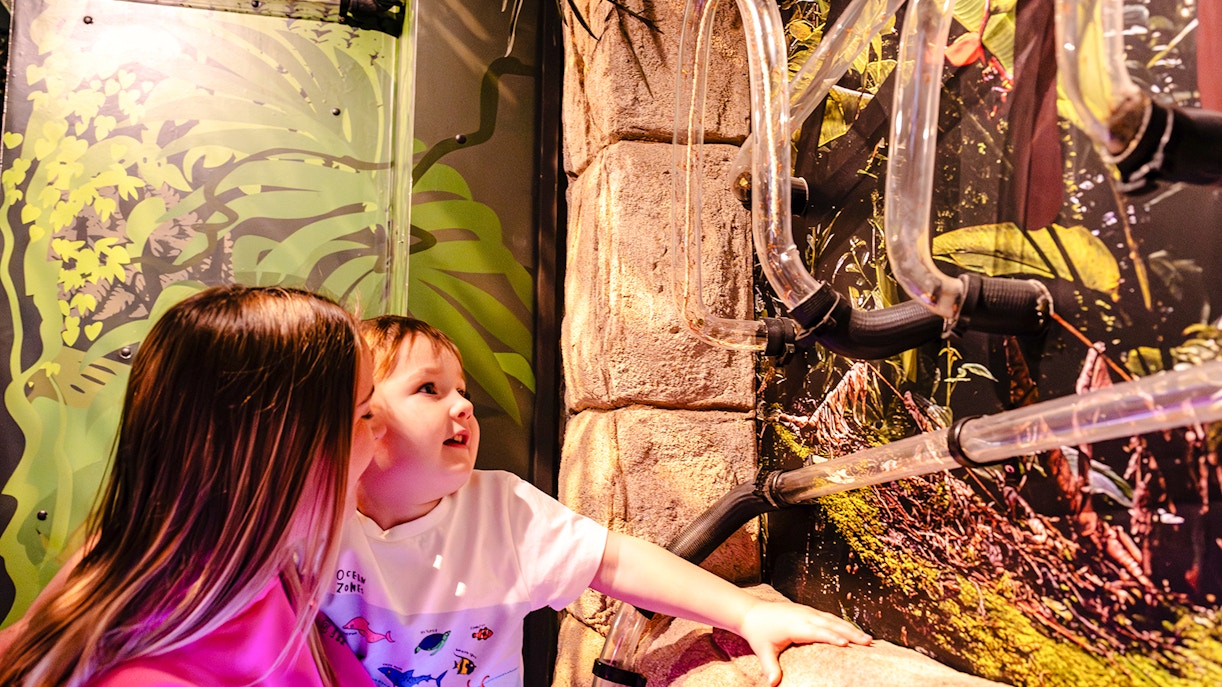
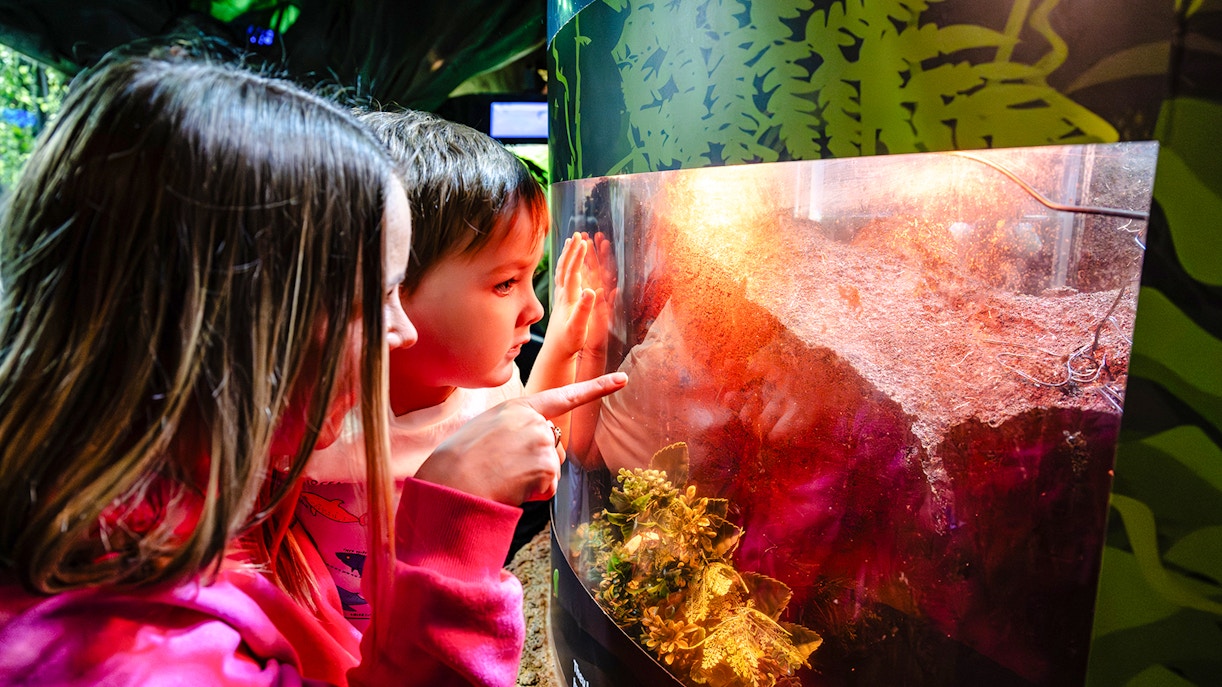
Venture into a humid rainforest zone to encounter freshwater and land species such as rescued terrapins, frogs, and other jungle dwellers, all set within lush, immersive habitats.
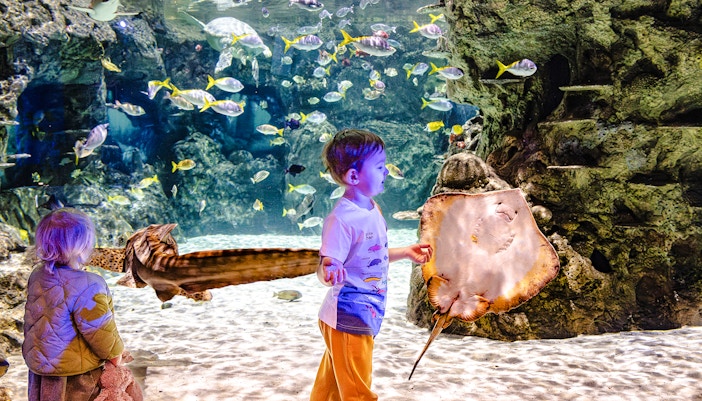
Secrets of the Reef
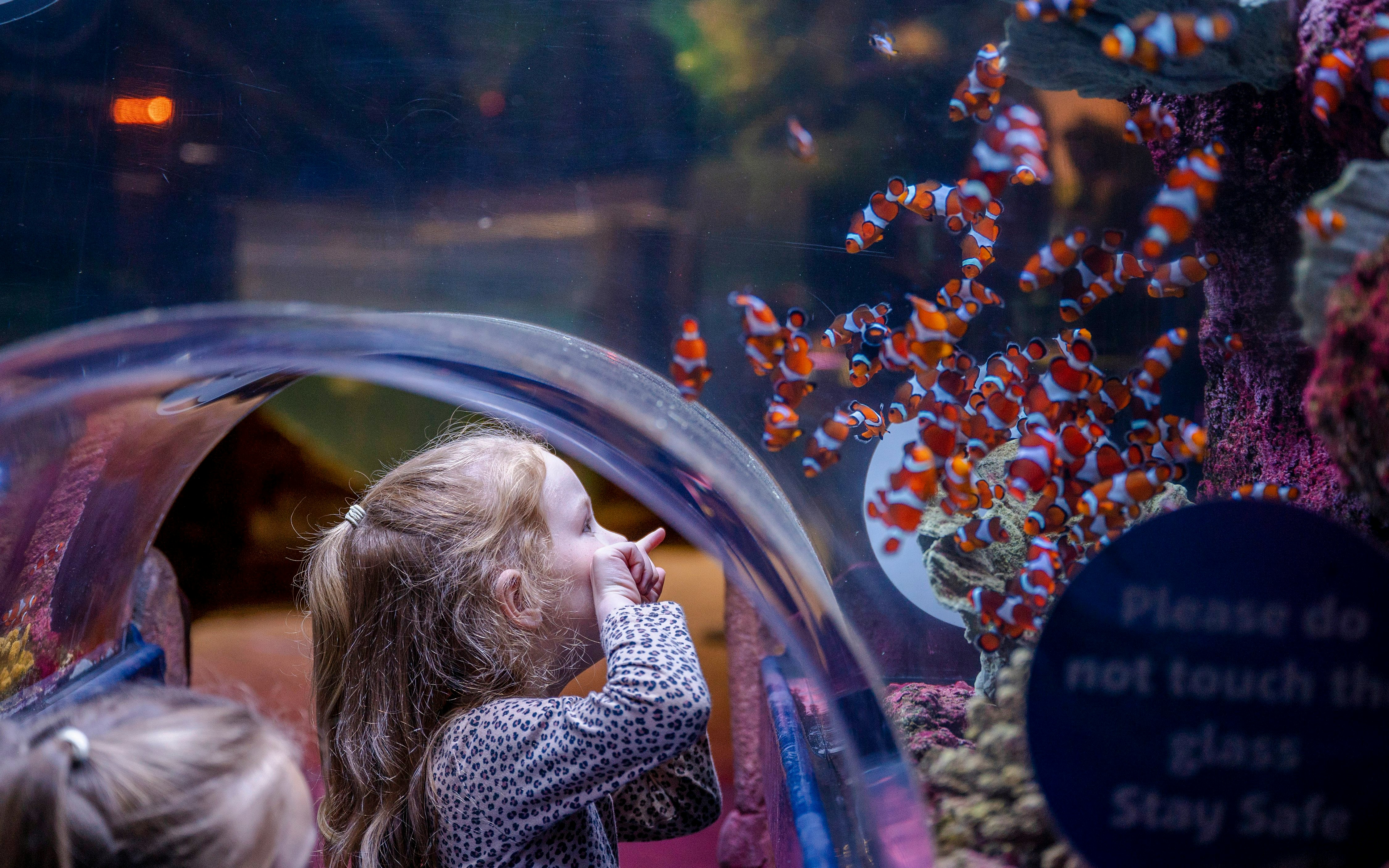
Discover vibrant coral reef tanks filled with tropical fish such as clownfish and blue tangs, showcasing the beauty and diversity of reef ecosystems right in front of you.
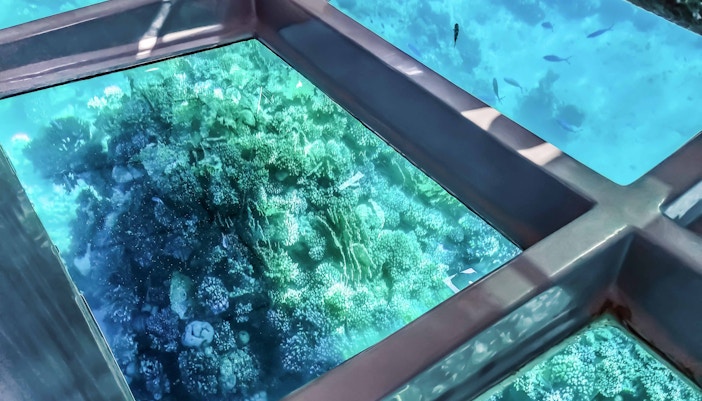
Glass Bottom Boat Experience
Get closer to the marine world with a glass-bottomed boat ride over the main tank, offering a unique view of turtles, rays, and sharks from above.
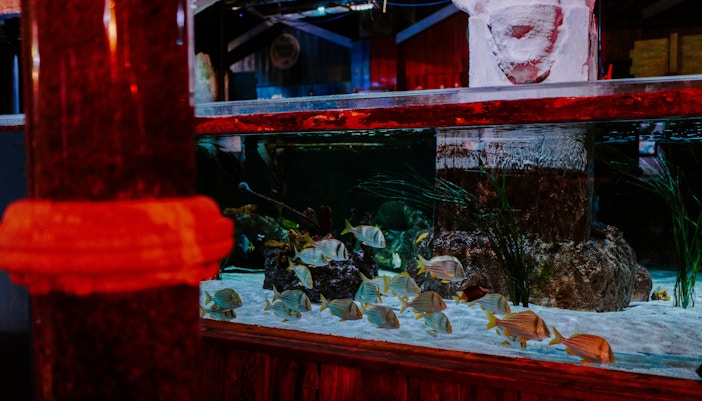
Conservation Cove
Visit the Conservation Cove to explore interactive displays that showcase how SEA LIFE and the SEA LIFE Trust work to protect ocean habitats and address marine threats.
Highlights of SEA LIFE Brighton
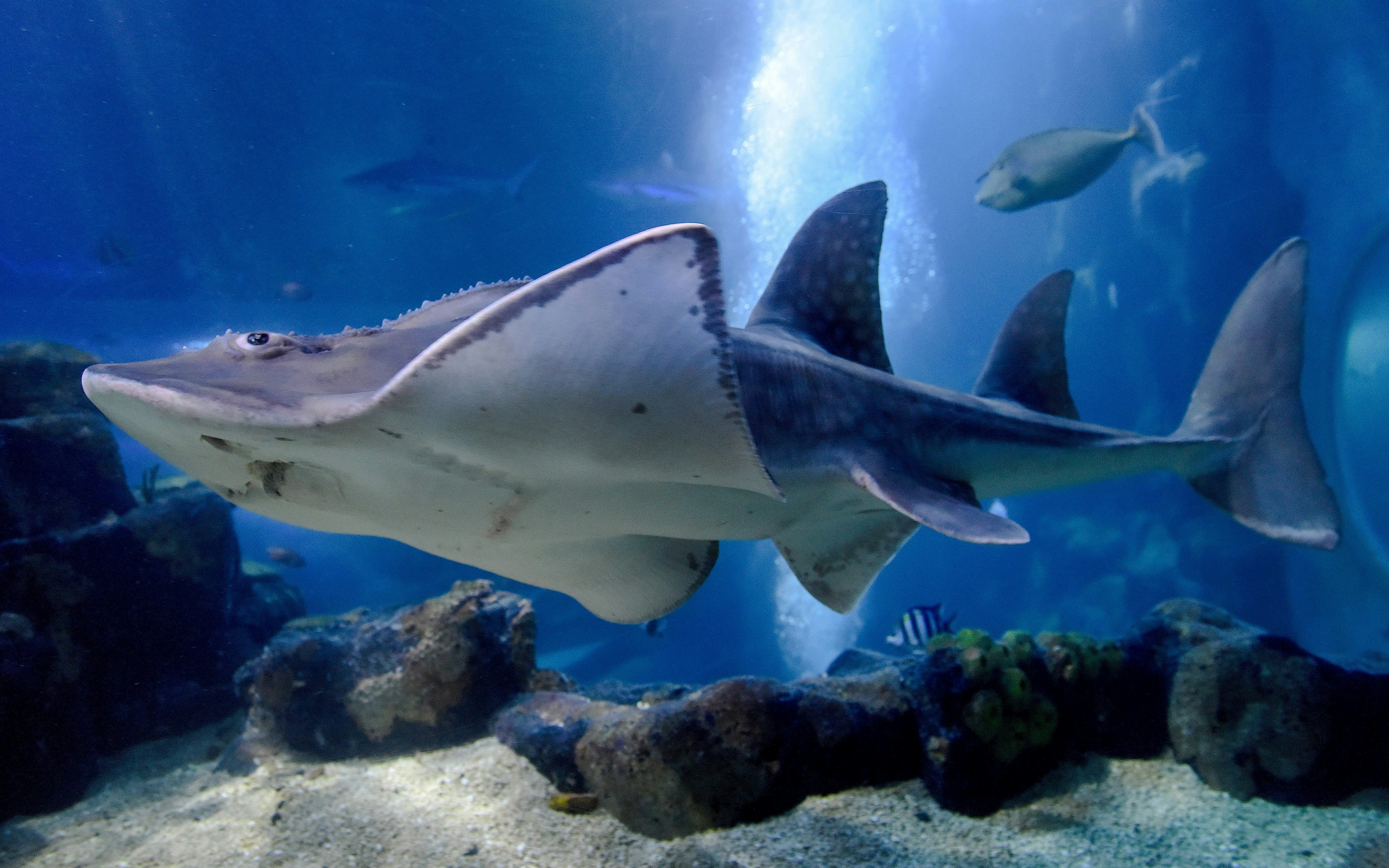
Sharks & Rays
See sharks and rays gliding around you, especially in the underwater tunnel and Victorian Arcade, bringing the ocean’s predators and giants close to view.
Brief history of SEA LIFE Brighton
SEA LIFE Brighton first opened in 1872 as Brighton Aquarium, making it the oldest operating aquarium in the world. The project was conceived and designed by Eugenius Birch, a pier engineer responsible for Brighton’s West Pier. Work on the building began in 1869, and it opened to the public in April 1872, with an official inauguration in August of the same year.
Over the years, the building has been repurposed several times, with SEA LIFE finally acquiring and restoring the site in 1991.
Recently, renovations, such as the addition of the Day & Night Ocean Experience, have modernised the aquarium. These updates mix the rich Victorian history with immersive, contemporary exhibits that continue to attract marine enthusiasts from around the world.
Who built SEA LIFE Brighton?
SEA LIFE Brighton was designed and built by Eugenius Birch, an English civil engineer famous for designing piers, including Brighton’s West Pier.
Birch’s vision combined Victorian architecture with pioneering aquarium design. His goal was to create both a cultural landmark and a showcase for marine life, establishing a visitor experience that remains iconic today.
Architecture of SEA LIFE Brighton
SEA LIFE Brighton is a landmark example of Victorian architecture with Gothic and Pompeian influences. Conceived in 1869 and opened in 1872, the original design featured ornate stonework, grand archways, marble columns, and decorative statues.
In the late 1920s, parts of the exterior were substantially rebuilt with white stonework, but many internal features, such as the vaulted corridors and display halls, still reflect Birch’s original vision.
The Victorian Arcade and its arches showcase the engineering ambition of the era. Today, the Grade II-listed building combines historic charm with modern aquatic exhibition spaces, making it a rare and architecturally significant attraction on Brighton’s seafront.
Frequently asked questions about SEA LIFE Brighton
SEA LIFE Brighton is typically open from 10am to 4pm or 5pm, with extended hours until 6pm during the summer months. Timings may vary seasonally, so it’s best to check in advance.
Most visits take around 1.5 to 2 hours, giving enough time to explore all exhibits at a comfortable pace.
Key highlights include the historic Victorian Arcade, the Day & Night Ocean Experience with its underwater tunnel, colourful reef displays, a seahorse nursery, rainforest habitats, and interactive rockpools.
Yes, the Day & Night Ocean Experience features a walk-through tunnel where sharks, rays, and sea turtles swim overhead.
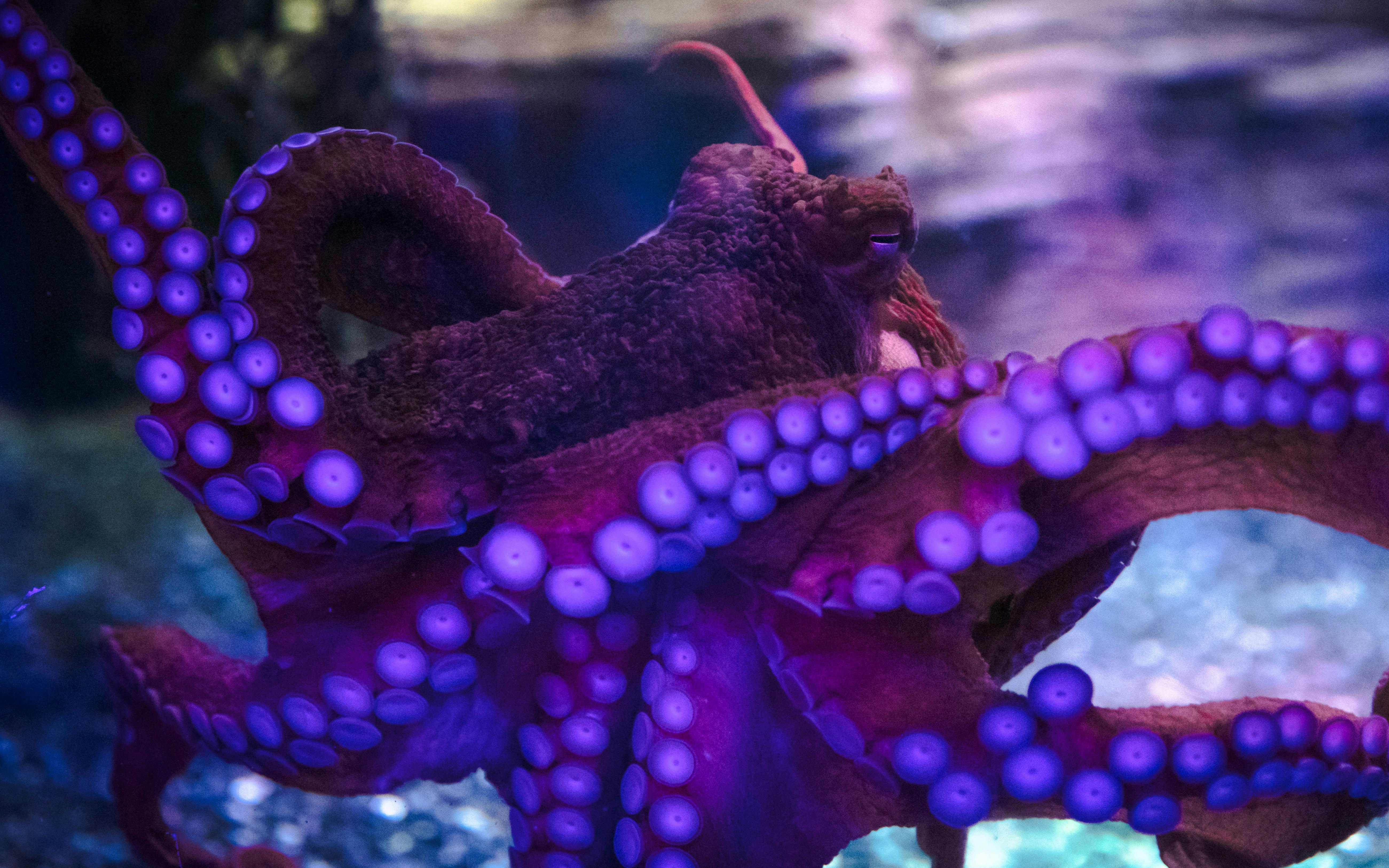
You can spot a wide range of marine life including sharks, rays, sea turtles, jellyfish, octopus, seahorses, tropical reef fish, and even rainforest species like terrapins and frogs.
Yes, the rockpool experience allows for hands-on interaction with species like starfish and anemones under staff guidance. Seasonal trails and themed events may also be available.
Yes, SEA LIFE Brighton is wheelchair accessible, although some limitations may exist due to the historic nature of the building.
There is a café on-site where you can purchase snacks and drinks during your visit.
Weekday mornings or later in the afternoon are generally quieter, helping you explore the exhibits with fewer crowds.


