Quick Information
RECOMMENDED DURATION
3 hours
Timings
10:00–17:00
VISITORS PER YEAR
124000
TICKETS
From $20.21
EXPECTED WAIT TIME - STANDARD
30-60 mins (Peak), 0-30 mins (Off Peak)
Did you know?
The abbey later functioned as a Benedictine monastery for over 400 years.
After the monastery was suppressed in 1538, the abbot's lodging was transformed into a country house.
Battle Abbey was granted extreme autonomy from both the Crown and the local bishop. Its abbot had the power to pardon any condemned criminal he met anywhere in the country who was on their way to execution.
Book Battle Abbey tickets
Battle Abbey: 1066 Battle of Hastings Entry Ticket


Is Battle Abbey worth visiting?
When you step through the gatehouse, Battle Abbey feels quieter and wider than many first-time visitors expect. Wind moves across the slope, ruined stonework breaks the skyline, and the battlefield opens ahead of you. It is less a room-by-room monument than a landscape you read with your feet.
That matters because the site was created to mark the battle that changed the English crown in 1066. William the Conqueror founded the abbey as both memorial and penance, so the ruins and the ground belong to the same story.
The payoff is unusually specific: you leave able to picture how one hillside changed England. With the film and audio guide, the open field stops being abstract and becomes charged terrain.
Skip it if you want a mostly indoor visit or struggle on uneven, sloping paths.
What can you see at Battle Abbey?
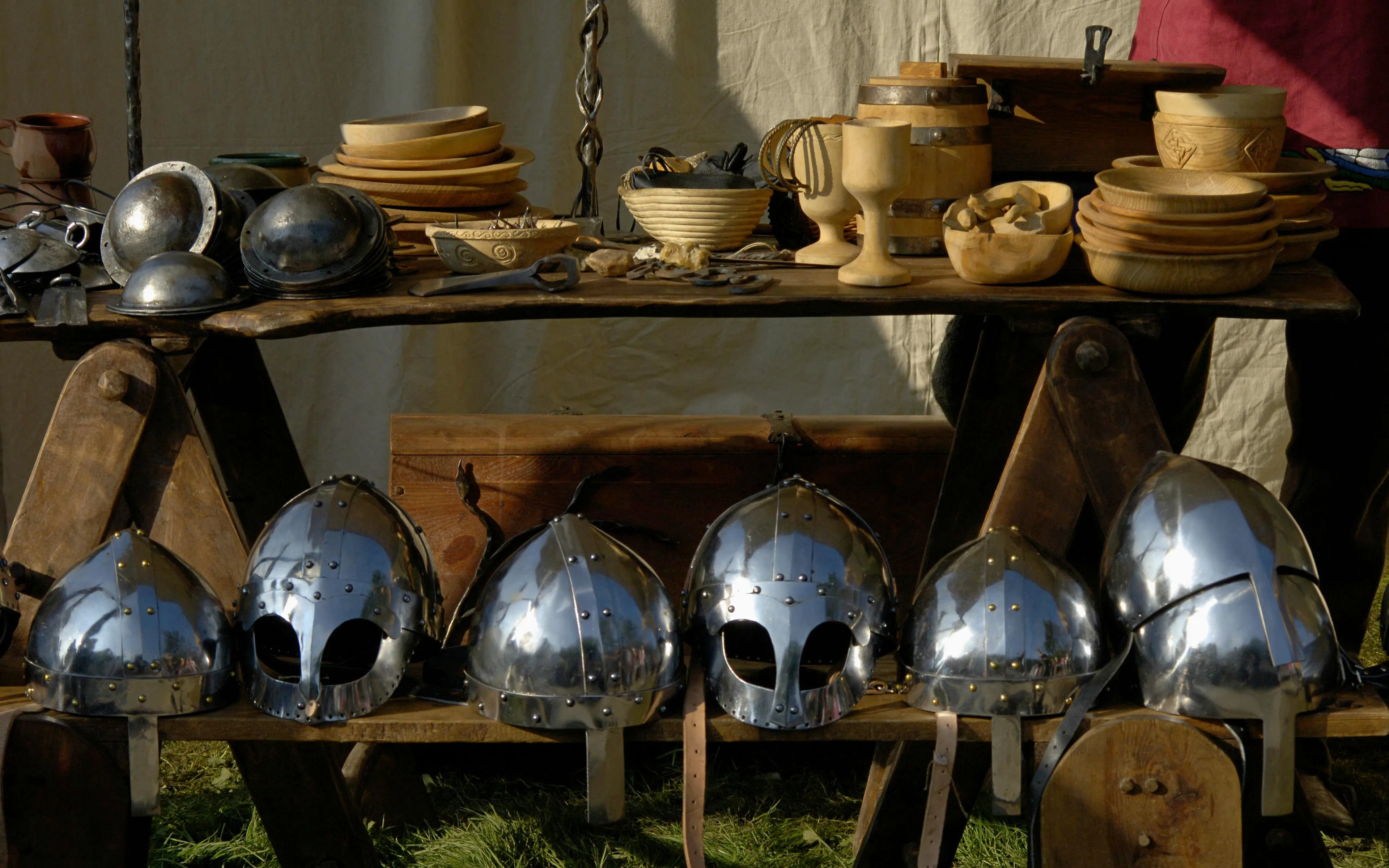
The 1066 exhibition and film
Start here. The indoor exhibition and short film give the battle its cast, stakes, and sequence before you step outside. Visitors who begin outdoors often find the site visually thinner than it really is.
The gatehouse displays
The gatehouse is more than an entry point. Its exhibits add objects and detail to the broader story, and the upper level gives you a stronger sense of how the site sits above the surrounding town.
The abbey ruins
These remains are the physical aftermath of 1066: a memorial monastery founded by William the Conqueror. They are not vast, intact interiors, but they give the battlefield a permanent architectural anchor.
The battlefield audio trail
This is the heart of the visit. The included audio guide turns open grass and slopes into positions, movement, and consequence. Budget real time for it; rushing this section undercuts the whole site.
The Lower Terrace viewpoints
If you want the battlefield without committing to every rough section, the terraces give useful sightlines over the ground. They are especially valuable for visitors pacing their energy carefully or managing limited mobility.
The walled garden and grounds
The Duchess of Cleveland’s Walled Garden and surrounding grounds soften the tone after the battlefield walk. It is the easiest area to shorten if time is tight, but a pleasant place to pause.
How to explore Battle Abbey
How much time to spend?
Budget 2–3 hours for the full experience, especially if you want the film, gatehouse, ruins, and the audio-led battlefield walk. A trimmed visit can work in about 90 minutes, but you’ll need to keep moving and skip a long café or garden break.
Best visit order
Start with the exhibition and short film, then continue into the gatehouse before walking through the abbey ruins. After that, do the battlefield route with the included audio guide while the story is still fresh. Finish in the walled garden or café. This order matters because the landscape makes far more sense once you’ve been oriented indoors.
Must-see highlights
Must-see: the 1066 exhibition and film, gatehouse views, abbey ruins, and at least one substantial stretch of the battlefield audio trail.
Optional: the walled garden and a slower loop through the grounds, which add about 20–30 minutes.
Worth adding nearby
Battle town centre is the easiest add-on after your visit, and Hastings makes sense if you want to extend the 1066 story into a broader East Sussex day out.
Guided or self-paced?
Self-paced works well here if you’re happy to use the included audio guide and read the landscape as you go. Guided is worth it for visitors who want troop positions, tactics, and battle sequence explained in real time, because the site’s meaning runs deeper than its surviving ruins.
Brief history of Battle Abbey
- 1066: The Battle of Hastings was fought here on October 14, ending with William of Normandy’s victory over King Harold.
- Late 11th century: William founded Battle Abbey on the site as both a memorial and penance for the bloodshed.
- 12th–15th centuries: The abbey grows into a Benedictine monastery that remains active for more than 400 years.
- 1538: The monastery is suppressed during the Dissolution, ending its religious life.
- Post-1538: The abbot’s lodging is transformed into a country house, adding another historical layer to the site.
- Today: English Heritage manages Battle Abbey as a public historic attraction with interpretation, ruins, and battlefield access.
Architecture of Battle Abbey
Blending rugged Norman Romanesque foundations with later Gothic rebuilds, Battle Abbey presents a formidable yet serene atmosphere. Standing within the grounds, visitors feel an immediate, solemn weight—a tangible reminder of the bloody 1066 conflict that altered English history. The architectural triumph lies in its dramatic, multi-tiered undercrofts built with Sussex marble pillars and soaring stone vaulted ceilings designed to support the dormitories on a steep incline. Above ground, the towering 14th-century Great Gatehouse features fortified crenellations, heavy sandstone masonry, and pointed arches, balancing monastic devotion with military defence against medieval raids.
Who built it?
Commissioned by William the Conqueror as penance for the conquest's bloodshed, the abbey was constructed on the precise site of King Harold II's death. Built by Benedictine monks from Marmoutier Abbey under Norman royal patronage, its design reflected Norman dominance and piety rather than a single architect's personal style.
Additional information about Battle Abbey
Battle Abbey’s place in English memory goes beyond its ruins because 1066 still functions as national shorthand for conquest, monarchy, and political change. Many historic sites need interpretation to feel important; here, the date already arrives with the visitor. What makes the abbey unusual is that it turns that inherited knowledge into something physical. The hillside, distances, and surviving stonework anchor a story that can otherwise feel abstract or overfamiliar. That is why commemorative events and living-history programming resonate so strongly here: the site still helps England narrate one of its defining turning points.
Frequently asked questions about Battle Abbey
No. Battle Abbey is in Battle, East Sussex, not Hastings. That naming confusion is common because the battle is called the Battle of Hastings, but the preserved visitor site stands in Battle itself.
Mostly no. Advance booking mainly saves money if you book by midnight the day before. It does not come with a verified fast-track lane or a different route through the site.
Yes. It is one of the most useful parts of the visit because it makes the battlefield legible. Audio options also extend beyond English, including Dutch, French, German, Japanese, and Spanish.
Partly. Battle Abbey offers a limited-mobility route and equipment loans, but some battlefield sections remain rough, sloped, and difficult. The Lower Terrace viewpoints are often the better choice than insisting on the full walk.
Yes. Dogs on leads are welcome throughout Battle Abbey, which makes it easier to include the site in a countryside or coastal day out without reorganising the rest of your plans.
Yes, you can picnic on the grounds. There is also an on-site café with indoor and outdoor seating, so you can choose between a quick purchase and bringing your own food.
Yes, if you are comfortable with steep and winding steps. The elevated view helps you understand the site’s layout and gives you a stronger visual break from an otherwise mostly ground-level visit.
Often, yes, especially around key 1066 commemorative dates, but programming changes each year. If events matter to your trip, check the current calendar before choosing your visit day.
Yes, but treat it as a real half-day outing rather than a quick stop. Battle Abbey is in Battle, and the site itself deserves at least 90 minutes, with 2–3 hours being a better pace.
