Following his victory at the Battle of Hastings in 1066, William the Conqueror was ordered by the Pope to perform penance for the massive loss of life. In response, William vowed to build Battle Abbey as a dedicated site of atonement and a lasting monument to his bloody victory over the Anglo-Saxons.
Ten interesting facts about the Battle Abbey in Battle
Battle Abbey sits on the landscape traditionally identified as Harold’s death site from the Hastings’ 1066 battle, tying the memory of the clash to a commemorative abbey. The grounds combine surviving ruins, the gatehouse visitor centre, a short introductory film, and open paths where you can trace the battle’s sequence across the landscape. Here are some interesting Battle Abbey facts to help you plan your visit with context you can actually use.
Interesting facts about Battle Abbey
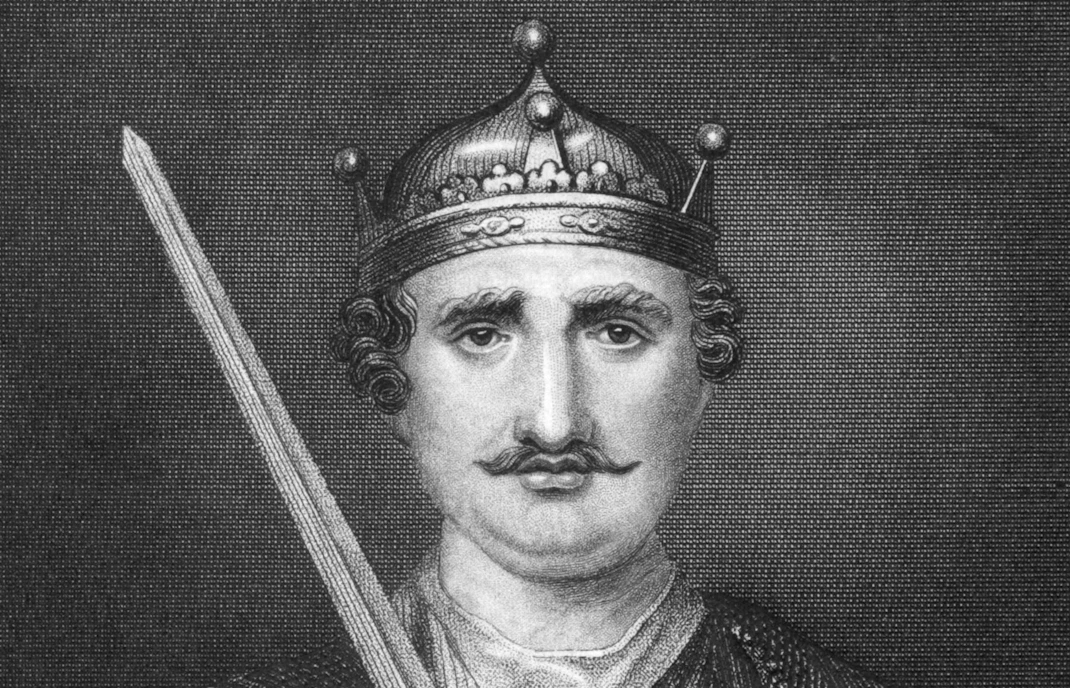
Founded as royal penance

The high altar marks Harold's death
William insisted that the abbey church's high altar be constructed precisely where King Harold II fell during battle. Because the hilltop terrain was extremely steep and unsuited for building, medieval workers had to move vast amounts of earth to flatten the ridge, strictly honoring William’s mandate for the exact position of the altar.

The Harold Stone marker
Inside the remaining site of the high altar stands a stone plaque known as the Harold Stone. Dedicated by the Battle Historical Society, this simple stone slab marks the exact spot where Harold II traditionally died, serving as a solemn focal point for visitors who travel to pay their respects to the last crowned Anglo-Saxon king.
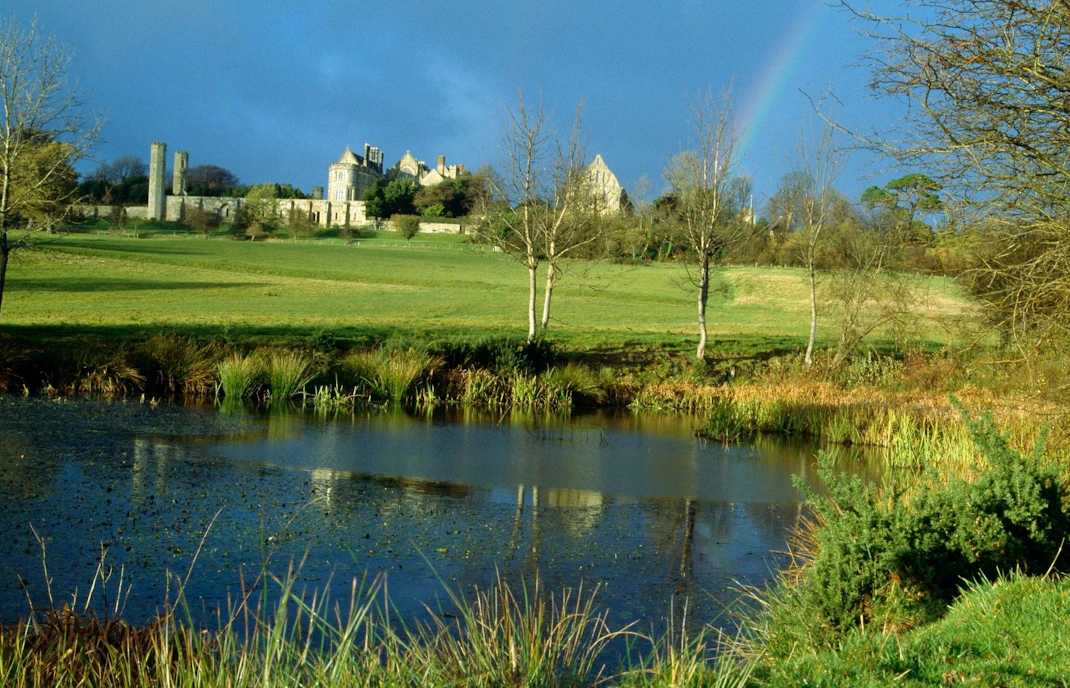
Named a whole town
Unlike most medieval monasteries named after the existing town they were built in, Battle Abbey created its surrounding settlement. As construction workers, monks, and tradespeople moved to the area to support the growing monastery, the thriving community of "Battle" gradually formed around the abbey walls, taking its direct name from the iconic landmark.
Exceptional royal privileges
To safeguard the abbey’s independence, William the Conqueror granted it extensive royal immunities. Battle Abbey was exempt from episcopal jurisdiction, meaning the local Bishop of Chichester had no authority over it. Furthermore, the monks possessed the right of sanctuary and held full judicial power over crimes committed within their territory.

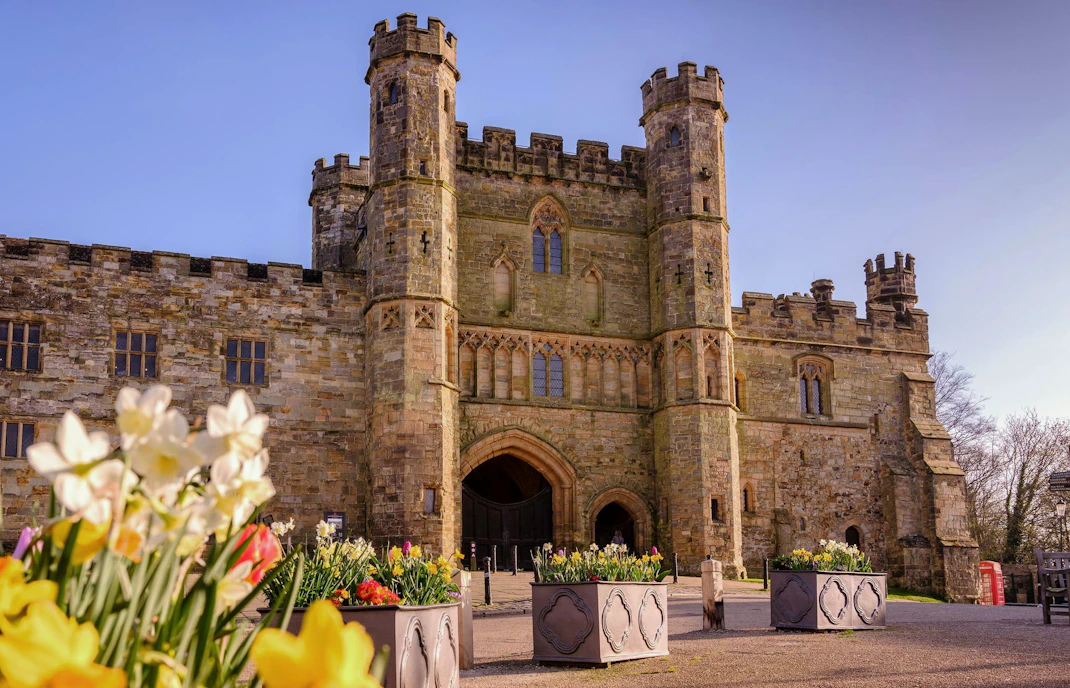
Fortified Great Gatehouse
During the Hundred Years' War in 1338, King Edward III granted the monks permission to fortify the abbey against potential French raids. The resulting Great Gatehouse features heavy battlements and defensive portcullises. Today, it remains one of the finest and most intact examples of 14th-century perpendicular Gothic gatehouse architecture in England.

Consecrated by William Rufus
Although William the Conqueror ordered the founding of the abbey around 1071, he did not live to see its completion. The abbey church was officially finished and consecrated in 1094 during the reign of his son, William Rufus (William II), in a lavish ceremony attended by senior bishops and nobles from across the realm.
Converted after the Dissolution
In 1538, King Henry VIII ordered the Dissolution of the Monasteries, forcing Battle Abbey to surrender to the Crown. Henry subsequently granted the estate to his close friend Sir Anthony Browne, who demolished the main abbey church and transformed parts of the remaining monastic quarters into an elegant Tudor country house.
Served as a country estate
Following its monastic era, the property passed through several noble lines before being acquired by the Webster family in the early 18th century. For over two centuries, the ruins and surviving residential quarters functioned as a grand private estate, undergoing structural modifications to suit the lifestyle of English landed gentry.

Modern home to Battle Abbey School
Shortly after World War I, parts of the surviving abbey buildings were leased to establish an independent co-educational school. Today, Battle Abbey School operates within the historic medieval buildings, while the surrounding ruins, battlefield, and visitor grounds are maintained for the public by English Heritage.